

Maintaining the cushions of a pool table is crucial for carom games, as it directly impacts the game's playability and the lifespan of the table. As a Pool Table Carom supplier, I've witnessed firsthand the difference proper cushion maintenance can make. In this blog, I'll share some essential tips on how to keep your pool table cushions in top condition for a seamless carom gaming experience.
Understanding the Importance of Cushion Maintenance
The cushions of a pool table are not just simple rubber strips; they are the heart of the game. In carom games such as 3 Cushion Carom Table, 3 Carom Billiards, and Carambole Billiard, the cushions determine the ball's rebound angle and speed. A well - maintained cushion ensures consistent and accurate gameplay, while a worn - out one can lead to unpredictable ball movements and a less enjoyable game.
Regular Cleaning
One of the most basic yet important steps in cushion maintenance is regular cleaning. Over time, dust, chalk, and other debris can accumulate on the cushions, affecting their performance. To clean the cushions, start by using a soft, dry brush to gently remove loose dirt and chalk particles. Make sure to brush in the direction of the cushion's grain to avoid damaging the surface.
For more stubborn stains, you can use a mild cleaning solution. Mix a small amount of gentle dish soap with warm water. Dip a soft, lint - free cloth into the solution, wring it out thoroughly so it's only slightly damp, and then gently wipe the cushions. Avoid soaking the cushions, as excessive moisture can cause the rubber to deteriorate. After cleaning, use a dry cloth to wipe away any remaining moisture and let the cushions air dry completely.
Protecting from Sunlight and Heat
Exposure to sunlight and excessive heat can have a detrimental effect on pool table cushions. Ultraviolet (UV) rays from the sun can cause the rubber to fade, harden, and crack over time. Similarly, high temperatures can also lead to the rubber losing its elasticity.
If possible, place your pool table in a room away from direct sunlight. Use curtains or blinds to block out the sun during the brightest parts of the day. If you don't have control over the sunlight exposure, consider using a pool table cover. A good quality cover will not only protect the cushions from UV rays but also from dust and other debris when the table is not in use.
In addition, avoid placing the pool table near heat sources such as radiators, fireplaces, or direct heaters. The heat can cause the rubber to expand and contract, which can lead to uneven wear and tear on the cushions.
Checking for Wear and Tear
Regularly inspect the cushions for signs of wear and tear. Look for cracks, splits, or any areas where the rubber seems to be peeling or coming loose. These issues can significantly affect the ball's rebound and should be addressed as soon as possible.
If you notice any minor damage, such as small cracks, you can try using a rubber repair kit. These kits usually come with a special adhesive that can be used to bond the rubber back together. However, for more extensive damage, it's best to consult a professional. A professional can assess the situation and either repair or replace the cushions as needed.
Proper Storage
If you need to store your pool table for an extended period, proper storage is essential to maintain the cushions. First, clean the cushions thoroughly as described above. Then, make sure the table is covered with a high - quality pool table cover to protect it from dust and moisture.
If possible, store the pool table in a climate - controlled environment. The ideal temperature range for storing a pool table is between 60°F and 75°F (15°C and 24°C), with a relative humidity of around 40% - 60%. Extreme temperatures and humidity levels can cause the rubber to warp or deteriorate.
Avoiding Rough Play
Encourage players to avoid rough play on the pool table. Slamming the balls into the cushions or using excessive force can cause unnecessary wear and tear. Teach players proper shooting techniques to ensure that the balls hit the cushions at the correct angle and with the appropriate amount of force.
Professional Maintenance
Even with regular at - home maintenance, it's a good idea to have your pool table professionally maintained at least once a year. A professional technician can perform a thorough inspection of the cushions, as well as other parts of the table, such as the rails and pockets. They can also make any necessary adjustments to ensure optimal performance.
During a professional maintenance service, the technician may re - level the table, which is important for the cushions to function correctly. An uneven table can cause the balls to bounce erratically off the cushions. They may also check the tension of the cushion's rubber and make any necessary adjustments to keep it in good shape.
When to Replace the Cushions
Despite your best efforts at maintenance, there will come a time when the cushions need to be replaced. Signs that it's time for a replacement include significant cracks, excessive hardening or softening of the rubber, and inconsistent ball rebounds.
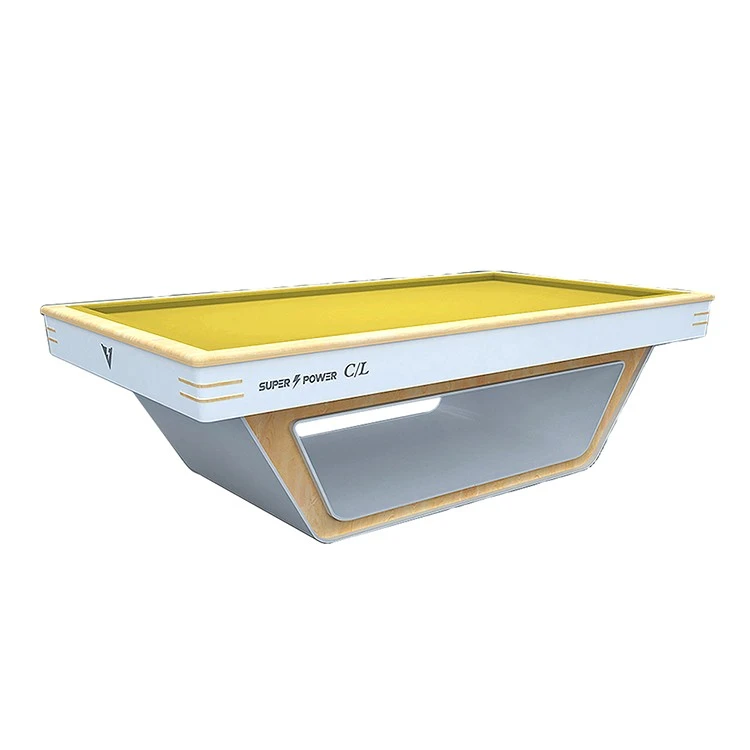

When replacing the cushions, it's important to choose high - quality replacement parts. As a Pool Table Carom supplier, I can offer a wide range of cushions that are specifically designed for carom games. Our cushions are made from high - grade rubber that provides excellent rebound and durability.
Conclusion
Maintaining the cushions of your pool table is an investment in the longevity and playability of your table. By following these tips on regular cleaning, protecting from sunlight and heat, checking for wear and tear, proper storage, avoiding rough play, and seeking professional maintenance, you can ensure that your pool table cushions remain in top condition for years to come.
If you're interested in purchasing a new pool table or need replacement cushions for your existing table, we'd love to hear from you. Contact us to discuss your needs and explore our range of high - quality products. We're committed to providing the best solutions for your carom gaming needs.
References
- "Billiard Table Maintenance Guide" - A comprehensive guide on maintaining all aspects of a billiard table, including cushions.
- "The Science of Billiards" - A book that delves into the physics behind billiards and how cushion performance affects the game.


