

Billiard chalk is an essential accessory in the world of billiards, serving a crucial purpose in enhancing the performance of players. As a billiard accessories supplier, I've had the privilege of witnessing the diverse range of billiard chalk colors that are available in the market. In this blog post, I'll delve into the different colors of billiard chalk, their characteristics, and the factors that influence their choice.
The Purpose of Billiard Chalk
Before we explore the colors, it's important to understand why chalk is used in billiards. When a player strikes the cue ball with a cue, there's a risk of the cue tip slipping off the ball, which can lead to inaccurate shots. Billiard chalk increases the friction between the cue tip and the ball, reducing the chances of a miscue and allowing for more controlled and precise shots.
Common Colors of Billiard Chalk
- Blue Chalk: Blue chalk is one of the most popular colors in the billiards world. It's known for its high - quality performance and is often used by professional players. The blue color is not just for aesthetics; it's also an indication of the chalk's composition. Blue chalk typically has a fine grain, which helps it adhere well to the cue tip and provides a consistent level of friction. Brands like Kamui offer a well - regarded blue chalk that is favored by many serious billiard enthusiasts.
- Green Chalk: Green chalk is another common option. It has a slightly different feel compared to blue chalk. Green chalk is often associated with a good balance between friction and durability. It can withstand multiple shots without quickly wearing off the cue tip. Some players prefer green chalk because it gives a more natural look on the cue tip and doesn't leave as much residue on the billiard balls as some other colors.
- Pink Chalk: Pink chalk is a relatively newer addition to the market. It has gained popularity due to its unique appearance and performance characteristics. Pink chalk is often formulated to provide a high level of friction, similar to blue chalk. It also tends to have a smooth texture, which makes it easy to apply to the cue tip evenly.
Less Common Colors
- Red Chalk: Red chalk is less common but still has its niche following. It's often used in certain billiard leagues or by players who have a personal preference for its color. Red chalk can provide a decent level of friction, but it may not be as well - known for its performance as blue or green chalk.
- Black Chalk: Black chalk is quite rare. It's mainly used for aesthetic purposes in some custom - themed billiard setups. However, in terms of performance, it generally offers the same basic functionality as other colors of chalk, though its production may be more limited.
Factors Affecting Color Choice
- Personal Preference: This is perhaps the most significant factor. Some players simply prefer the look of a particular color on their cue tip. For example, a player might choose pink chalk because it stands out and gives their cue a unique appearance.
- Visibility: In some cases, visibility can play a role. For instance, in low - light environments, a lighter - colored chalk like pink or white may be more visible on the cue tip, making it easier for the player to ensure proper application.
- Performance Reputation: As mentioned earlier, certain colors like blue are often associated with high - performance chalk. Players who are more focused on achieving the best possible shot accuracy may opt for these colors based on their reputation.
Compatibility with Other Billiard Accessories
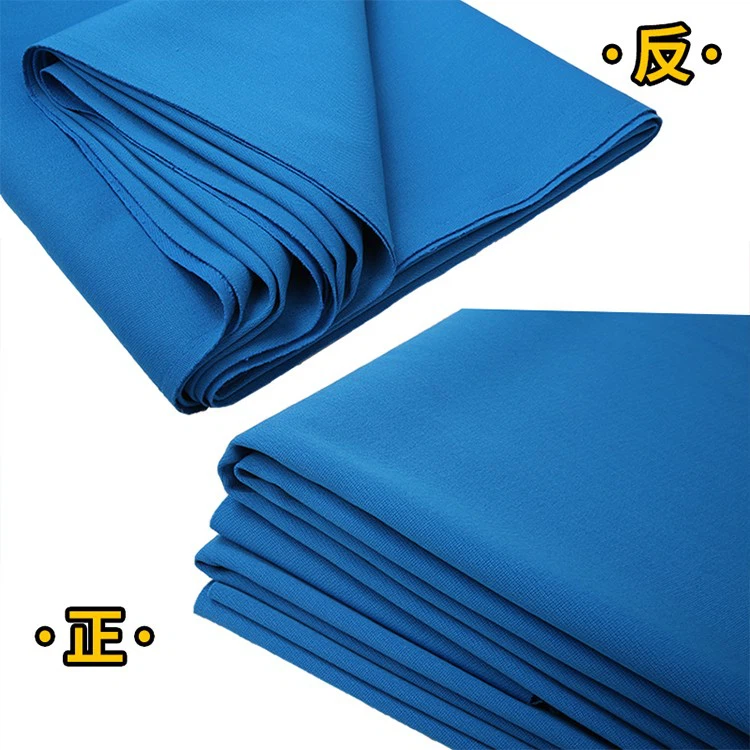
When choosing billiard chalk, it's also important to consider its compatibility with other billiard accessories. For example, the type of Championship Pool Table Cloth you have on your pool table can affect how the chalk interacts with the balls. A high - quality table cloth can enhance the overall playing experience, and the right chalk can ensure that the balls move smoothly across the surface.
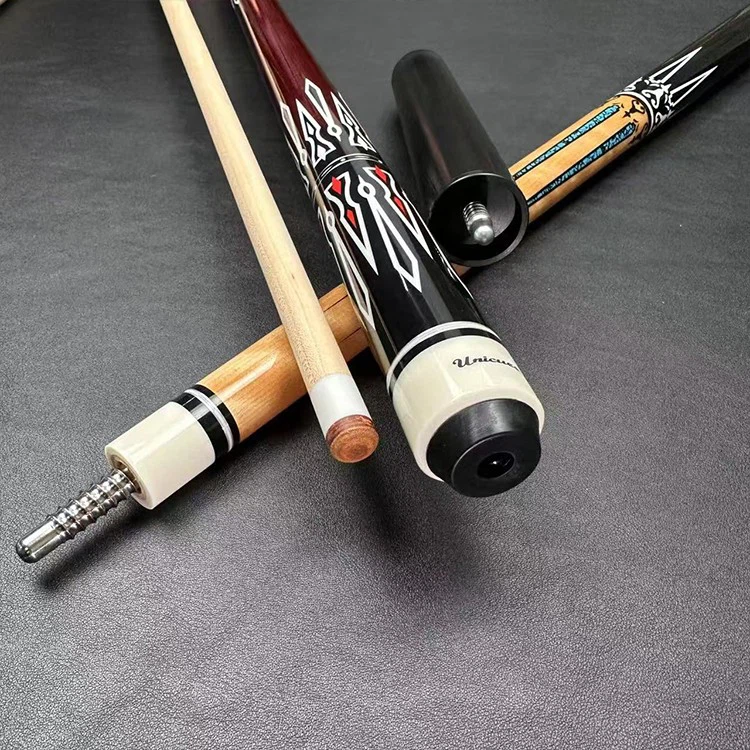
Similarly, the Billiard Pool Cue you use matters. Different cue tips have different textures and porosities, which can affect how well the chalk adheres. A well - maintained cue tip will work better with any color of chalk, allowing for a more consistent application.
The Professional Billiard Balls also play a role. Some billiard balls are more sensitive to chalk residue than others. Using a chalk that doesn't leave excessive residue can help keep the balls clean and in good condition.
Quality and Brand
The quality of the billiard chalk can vary greatly depending on the brand. Well - known brands often have strict quality control measures in place to ensure that their chalk provides consistent performance. When choosing a color of chalk, it's also important to consider the brand's reputation. For example, if you're looking for a high - performance blue chalk, researching different brands can help you find the one that best suits your needs.
Environmental Considerations
In recent years, there has been a growing awareness of environmental issues in the sports industry. Some billiard chalk manufacturers are now producing chalk that is more environmentally friendly. This includes using sustainable materials in the production process and reducing the amount of waste generated. When choosing a color of chalk, you may also want to consider the environmental impact of the product.
Conclusion
In conclusion, the different colors of billiard chalk offer players a range of options to suit their personal preferences, playing styles, and performance needs. Whether you prefer the classic blue chalk, the balanced green chalk, or the trendy pink chalk, each color has its own unique characteristics. As a billiard accessories supplier, I'm committed to providing high - quality chalk in a variety of colors, along with other essential billiard accessories.
If you're interested in purchasing billiard chalk or any other billiard accessories, I encourage you to reach out for a procurement discussion. Our team is ready to assist you in finding the right products to enhance your billiards experience.
References
- "The Science of Billiards" by John Smith
- "Billiard Accessories: A Comprehensive Guide" by Mary Johnson
- Various industry reports and research on billiard chalk production and performance.


